
Choosing a builder is the single biggest decision you will make when building a home, bigger than the floor plan, bigger than the paint colors, bigger than almost anything else. The right builder turns a huge project into an exciting one. The wrong builder turns it into a story you tell people as a warning.
The trouble is that most builders sound great in a first meeting. Everyone smiles, everyone promises quality, and the marketing photos always look beautiful. So how do you tell a genuinely good builder from one who talks a good game? You ask better questions. Below are the ten questions to ask a home builder before you sign anything, along with why each one matters and what a strong answer actually sounds like.
Why the right questions matter more than the lowest bid
It is tempting to compare builders on price alone and go with the lowest number. Resist that urge. A low bid often hides low allowances, vague scope, or corners that get cut later, and the “savings” evaporate the moment reality sets in.
The questions below are designed to reveal how a company actually operates, not just what it charges. A builder who answers them clearly and confidently is showing you how the entire project will feel. A builder who gets vague or defensive is telling you something too.
1. Are you licensed, insured, and do you offer a warranty?
Start with the basics, because they protect you. A reputable builder carries the proper licensing for your state, general liability insurance, and workers’ compensation coverage, and they will not hesitate to show proof. Ask about the warranty too. What is covered after you move in, and for how long?
A strong answer sounds like a builder who welcomes the question and hands over documentation without flinching. Any reluctance here is a red flag worth taking seriously.
2. Is your price fixed, or is it just an estimate?
This might be the most important question on the list. Some builders quote an estimate that can drift upward as material and labor costs move, which means the number you sign is not necessarily the number you pay. Others offer a fixed price agreement that locks your cost once you sign.
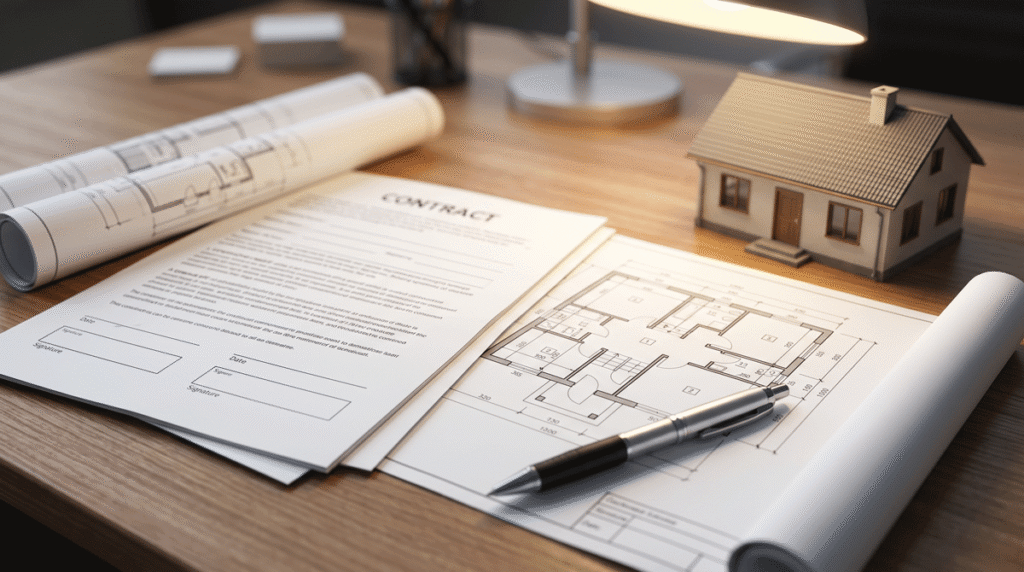
A great answer is clear: the price is fixed, confirmed in writing before you sign, and protected from mid-build cost swings. That certainty is the difference between budgeting with confidence and bracing for surprises.
3. What exactly is included, and how do allowances work?
Two bids can look wildly different simply because of what each one includes. Ask for an itemized scope of work, then dig into the allowances, which are the placeholder amounts set aside for things you have not chosen yet, like flooring or fixtures. A budget padded with low allowances looks cheap up front and climbs the moment you make real selections.
Listen for a builder who explains their allowances plainly and sets them at realistic levels. That honesty now saves you from a painful running total later.
4. How do you handle change orders?
You may decide partway through that you want to move a wall or upgrade a shower. That is a change order, and how a builder handles them says a lot. Ask how changes are priced, approved, and documented.
The answer you want describes a clear, written process with pricing agreed before any work happens, so you are never blindsided by a charge you did not see coming. A builder who also helps you finalize decisions early, so changes stay rare, has your budget in mind.
5. What finishes come standard?
“Standard” means very different things from one builder to the next. For some, standard finishes are the cheapest materials available, and anything nicer is a costly upgrade. For others, quality is built into the base price.
A strong answer includes genuinely good materials as standard, things like luxury vinyl plank flooring and granite or quartz countertops, rather than treating them as add-ons. When quality comes standard, you get a better home without paying a premium for every improvement.
6. What is a realistic timeline, and what could delay it?
A good builder will not just quote you a rosy number of months. They will give you a realistic timeline and be honest about what could stretch it, whether that is permitting in your area, weather during site work, or waiting on your own selections.
Be a little wary of anyone who promises a suspiciously fast finish with no caveats. Honesty about the timeline up front is a sign of a builder who will be honest with you throughout.
7. Who will manage my build, and how will you keep me updated?
You deserve to know who is actually running your project day to day and how you will hear from them. Will you have a dedicated project manager? How often will you get updates, and through what channel?
The best answer describes regular communication, ideally weekly updates from a project manager, so you always know where your home stands without having to chase anyone. Poor communication is one of the most common complaints in home building, and this question surfaces it before you commit.
8. Can I see your past work and talk to previous clients?
Photos are a start, but a confident builder will happily show you completed homes and connect you with families they have built for. Ask to see a gallery of finished work, and ask to read or hear from past clients directly.
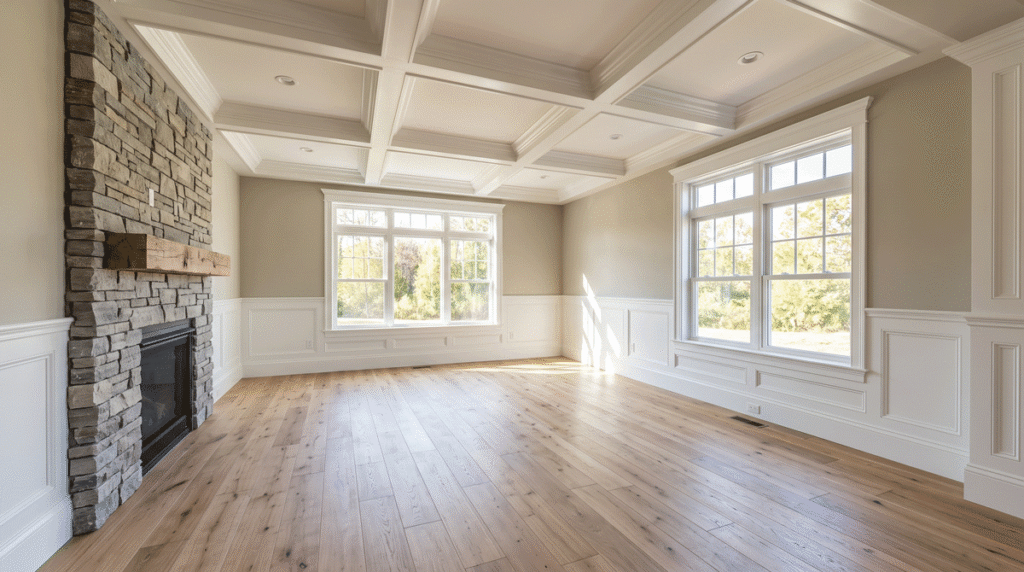
What you are really testing is consistency. Do their finished homes match their marketing, and would their previous clients hire them again? Genuine testimonials and a real portfolio are worth more than any sales pitch.
9. Do you offer financing, or help me arrange it?
Financing a build is different from a standard mortgage, and it can be one of the more confusing parts of the journey. Ask whether the builder offers in-house financing or can connect you with professionals who understand construction lending.
A helpful answer might include in-house financing that gives you flexibility. At the same time, you arrange permanent financing after the home is complete, or a relationship with licensed mortgage professionals who can walk you through your options. A builder who makes this easier is removing one of the biggest sources of stress.
10. Can I use my own plan, or modify one of yours?
Finally, find out how flexible the builder really is. Can you bring your own design? Can you start with one of their proven plans and modify it to fit how your family lives? Some builders lock you into rigid options, while true custom builders welcome your ideas.
The answer you want is an enthusiastic yes to customization, because your home should be shaped around you, not squeezed into a template.
What good answers have in common
Read back through the ten questions, and you will notice the strong answers share a theme: transparency. A fixed price you can trust, a clear scope, honest timelines, real communication, quality built in as standard, and flexibility to make the home yours. When a builder answers this way, the entire project tends to feel calm and predictable instead of tense and uncertain.
This is the standard we hold ourselves to at Holloway Family Homes. We have built custom homes and spec homes across North Carolina since the 1980s. We lock in your price with a fixed-price agreement, include premium finishes as standard, offer in-house financing, welcome your plans or modifications to ours, and keep you updated through a clear process from the first meeting to your final walkthrough. Ask us all ten of these questions. We would be glad to answer every one.
Frequently asked questions
What are the most important questions to ask a home builder?
The most important ones cover licensing and warranty, whether the price is fixed or an estimate, what the contract includes and how allowances work, how change orders are handled, and how the builder will communicate with you during construction.
Should I ask a home builder for references?
Yes. A reputable builder will gladly show you completed homes and connect you with past clients. Seeing real finished work and hearing from previous families is one of the best ways to judge whether a builder delivers on their promises.
What is the difference between a fixed price and an estimate?
A fixed price is locked once you sign and protects you from cost increases during the build. An estimate can change as material and labor prices move, so your final cost may be higher than the number you were originally quoted.
How do I know if a home builder is trustworthy?
Look for clear, confident answers to questions about pricing, scope, timeline, and communication, plus proper licensing, insurance, a warranty, and genuine references. Vague or defensive responses are a warning sign.
Ready to put a builder to the test?
The best way to judge a builder is to sit down and ask. If you are building in North Carolina, we welcome your hardest questions. We will answer them with full transparency. Book a consultation with Holloway Family Homes, and see how straightforward building a home can feel when your builder has nothing to hide.
Ready to build on your land?
Let's talk about designing a home that fits your life, not the other way around.
Book a Consultation →